Animated Symbols: How Emoji, Stickers and GIFs Became a Visual Language
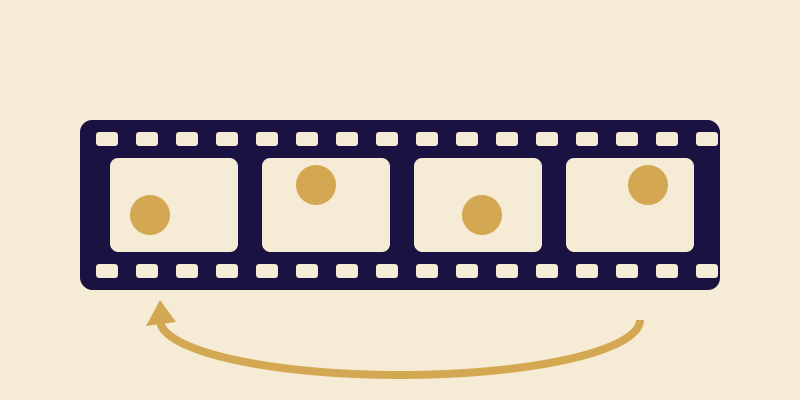
People have used pictures to carry meaning for as long as they have written anything down. Online, that habit came back in a new form: emoji, stickers and short looping GIFs that now sit alongside words in almost every conversation.
Pictures as shorthand
Text on a screen is efficient, but it strips away tone of voice, facial expression and timing. A short message such as "fine" can read as calm, annoyed or sarcastic depending on who is reading it. Early internet users solved this with emoticons built from punctuation, like a colon and a bracket for a smile. Those small faces were the first sign that people wanted a picture layer on top of their words.
Emoji took that idea further. They began on Japanese mobile phones in the late 1990s and were later added to the Unicode standard, which meant the same small picture could be sent between different phones and computers. Once emoji were everywhere, people started to build habits around them: a particular face for polite thanks, another for gentle teasing, another for real delight.
Why motion adds something
A still image can show a feeling. A moving one can show a reaction unfolding: the slow blink, the double take, the shrug that ends with a sigh. That is what the animated GIF does well. The format has supported simple animation since the late 1980s, and because it plays automatically without sound in most apps and browsers, it fits neatly into a chat window.
The loop matters too. A reaction that repeats every two or three seconds feels like a gesture rather than a clip. It does not ask the reader to press play or to watch a story. It simply sits in the conversation and says one thing, over and over, the way a raised eyebrow would in person.
Stickers, GIFs and emoji: what each one is for
- Emoji are small, inline and fast. They work best as tone markers inside a sentence: a thank-you that is clearly warm, a joke that is clearly a joke.
- Stickers are larger illustrated images, often in a consistent art style, and some apps animate them. They feel more personal and playful than emoji.
- Reaction GIFs are usually short clips from film, television, sport or online video. They borrow a recognisable moment to express a feeling, and they often carry a cultural reference along with the emotion.
How a visual vocabulary forms
Certain GIFs become so widely shared that they act almost like words. A famous eye-roll, a slow clap or an exaggerated "mind blown" gesture can be understood by people who have never seen the original film or show. Over time, communities agree on what these images mean, much as slang develops in spoken language.
That shared meaning is not universal, though. The same gesture can read differently between age groups, workplaces and countries, and a clip that is affectionate in one group can look mocking in another. Our article on cultural differences in GIF use looks at this in more detail.
Using visual shorthand well
A few habits help animated images add clarity rather than confusion:
- Match the setting. A playful reaction that suits a group chat with friends may feel out of place in a client email. Our guide to GIFs in professional email covers that line.
- Prefer clear emotions. The best reaction images show one obvious feeling. If the reader has to work out what you meant, the image has not helped.
- Keep it short. Long, busy clips distract from the message and can be heavy to load on mobile data.
- Think about accessibility. Rapid flashing can be uncomfortable or unsafe for some people, and screen readers rely on a text description. Many apps let you add alt text; when they do, a few plain words about the reaction help.
- Respect the source. Most reaction GIFs come from copyrighted footage. Sharing them in casual conversation is common, but commercial use raises different questions, which we discuss in how platforms handle GIF copyright.
Where the language is heading
Visual shorthand keeps changing. Newer video formats can loop more smoothly and at smaller file sizes than classic GIFs, and many messaging apps now convert uploads behind the scenes. Custom stickers and personal reaction clips are also more common, as phones make it easy to turn a few seconds of your own video into a loop.
Whatever the file format, the underlying idea is old and simple: people like to show, not just tell. Emoji, stickers and reaction GIFs are the current tools for doing that in text conversations. Used with a little thought about audience and context, they make written messages warmer, clearer and often funnier.