From Screen to Loop: How Film and TV Moments Become Reaction GIFs
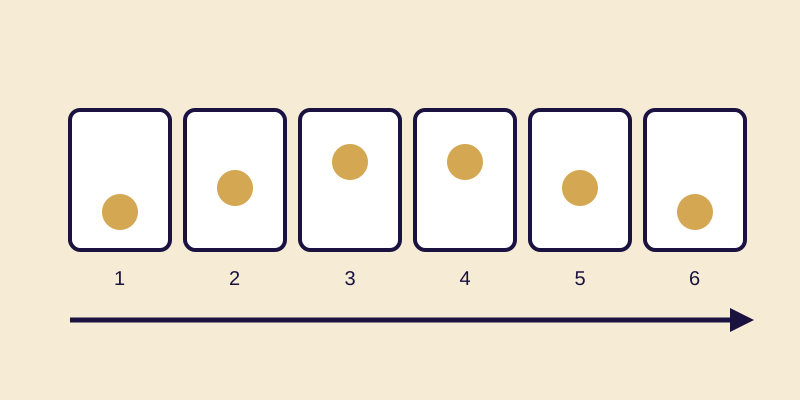
A few seconds of a film or television episode can outlive the show itself once it becomes a reaction GIF. This article looks at why some screen moments travel so far, what makes a clip work as a loop, and what to keep in mind before sharing one.
Why film and TV are the main source
Most of the reaction GIFs people send every day come from screen entertainment. That is not surprising. Actors are trained to show emotion clearly on camera, scenes are well lit and framed, and popular shows give millions of people the same reference points. A reaction drawn from a widely watched scene carries both a feeling and a shared memory.
Television sitcoms are especially rich sources. Their characters react to each other constantly, often with exaggerated faces, and long-running series produce hundreds of hours of small, readable moments. Award shows, live sport and talk shows add another layer: unscripted reactions from real people that feel spontaneous.
What makes a moment "GIF-able"
Not every memorable scene becomes a useful reaction. The ones that last tend to share a few qualities:
- One clear emotion. Surprise, disbelief, approval, embarrassment or delight that can be read in a second without context.
- A short arc. The best clips have a small beginning and end, such as a slow turn to the camera or a nod that finishes with a smile, which loops naturally.
- Strong framing. A face or body filling most of the frame stays readable even when the GIF is shown small in a chat window.
- Little dependence on sound. GIFs are silent, so a moment that only works because of a line of dialogue usually needs a caption, and captions add clutter.
- Broad recognisability. A reference that many people know helps, but a clip can also succeed purely on expression, even when viewers have never seen the source.
How the loop changes the meaning
Once a moment is cut down to two or three seconds and repeated, it stops being part of a story. A character's look of shock in a tense drama can become a light-hearted way to react to a friend's surprising news. This shift is part of the appeal: the clip is borrowed, re-framed and given a new job.
It also means a GIF can drift away from its original context in ways that matter. A scene that was sad or serious on screen may read as flippant when used as a joke, and a clip featuring a real person at a difficult moment can feel unkind when it circulates widely. A moment's pause before sending helps.
Captions and remixes
Many screen GIFs gain a caption that spells out the line being spoken or adds a new one. Captions help when the reaction is subtle or when the joke relies on words. They work best when short, high-contrast and placed where they do not cover the face. Our guide to adding text, captions and filters covers the practical side.
The copyright side
Film and TV clips are copyrighted works. Casual sharing of short reaction GIFs in personal conversation is widespread, and many platforms have their own licensing arrangements and takedown processes. Using the same clip in advertising, on merchandise or in paid content is a different matter and generally needs permission from the rights holder. Laws such as fair use in the United States are applied case by case, so it is wise not to assume a use is allowed simply because a GIF is easy to find.
This is general information rather than legal advice. Our article on how social media platforms handle GIF copyright goes into more detail, and anyone planning commercial use should get proper advice.
Making your own screen-style reactions
You do not need famous footage to make a good reaction GIF. A few seconds of your own video, filmed with a clear expression and simple background, can work just as well and avoids rights questions entirely. Keep the clip short, crop tightly around the face or gesture, and trim it so the last frame flows back into the first.
Why it matters
Reaction GIFs drawn from film and television are one of the clearest examples of how internet culture reuses and reinterprets mainstream media. Understanding why some moments loop so well, and how their meaning can shift once they leave the screen, helps you choose reactions that land the way you intend.